
Introduction
In today’s fast-moving digital world, having an online presence is no longer optional—it’s essential. As we step deeper into 2026, businesses, freelancers, and even personal brands are relying heavily on websites to build credibility, connect with audiences, and generate revenue. But what exactly is a website, and why has it become so important now more than ever?
In this blog, I’ll break it down for you in a simple yet practical way—based on over a decade of experience in digital marketing.
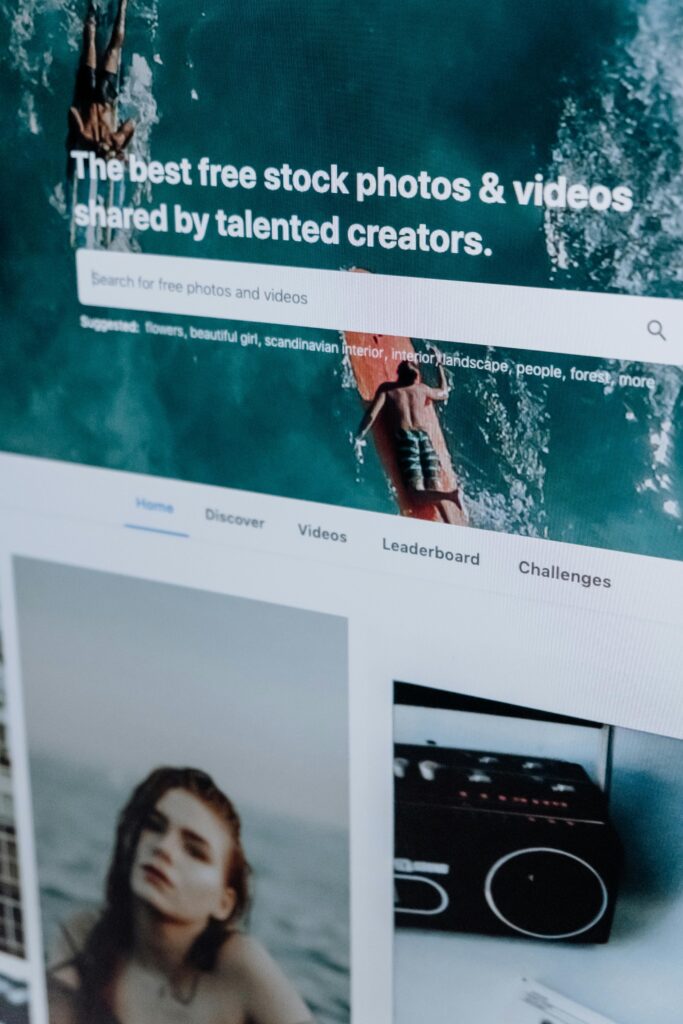
What is a Website?
A website is a collection of web pages that are accessible on the internet under a single domain name. It acts as a digital space where individuals or businesses share information, offer services, sell products, or connect with their audience.
Think of a website as your digital office or storefront—open 24/7, accessible from anywhere in the world.
Key Components of a Website:
- Domain Name – Your website’s address (e.g., digitalparneet.com)
- Hosting – Where your website files are stored
- Web Pages – Home, About, Services, Blog, Contact, etc.
- Content – Text, images, videos, and other information
- Design & UX – How your website looks and feels
Types of Websites in 2026
Websites have evolved significantly. Here are the most common types you’ll see today:
1. Business Websites
Used by companies to showcase services, build credibility, and generate leads.
2. E-commerce Websites
Online stores where products are sold directly (like fashion, electronics, etc.).
3. Portfolio Websites
Perfect for freelancers, designers, and digital marketers to showcase their work.
4. Blog Websites
Content-focused platforms that provide information, tips, and insights (just like yours!).
5. Personal Branding Websites
Used to build authority and create a strong personal identity online.
Why Websites Are Important in 2026
1. First Impression Matters More Than Ever
In 2026, people search online before making any decision. Your website is often the first interaction a user has with your brand. A professional website instantly builds trust and credibility.
2. 24/7 Online Presence
Unlike physical stores, your website never closes. It works for you day and night—generating leads, answering queries, and even making sales while you sleep.
3. Builds Trust and Credibility
Consumers today are smarter. If your business doesn’t have a website, it raises doubts. A well-designed website with testimonials, reviews, and clear information builds strong trust.
4. Essential for Digital Marketing
All your digital marketing efforts—SEO, social media, ads—lead back to your website. It acts as the central hub of your entire online strategy.
Without a website, you’re missing out on:
- Organic traffic (SEO)
- Conversion tracking
- Lead generation
- Customer insights
5. Cost-Effective Marketing Tool
Compared to traditional advertising, a website is much more affordable and delivers long-term results. Once optimized, it keeps bringing traffic without constant spending.
6. Better Customer Experience
Modern websites in 2026 are:
- Faster
- Mobile-friendly
- AI-integrated
- Personalized
Users can easily find information, book services, or contact you within seconds.
7. Global Reach
A website removes geographical limits. Whether you’re in Karnal or anywhere else, your business can reach customers worldwide.
8. Data & Insights for Growth
Websites provide valuable data such as:
- Visitor behavior
- Traffic sources
- Popular pages
- Conversion rates
This helps you make smarter business decisions.
9. Personal Branding Power
For freelancers and creators, a website is your digital identity. It helps you stand out in a crowded market and showcase your expertise professionally.
10. Competitive Advantage
In 2026, your competitors already have websites. If you don’t, you’re automatically behind. A strong website helps you stay ahead and attract more customers.
Key Features Every Website Must Have in 2026
To stay relevant, your website should include:
✅ Mobile Optimization
Most users browse on mobile devices, so responsiveness is non-negotiable.
✅ Fast Loading Speed
A delay of even 2–3 seconds can increase bounce rates.
✅ SEO Optimization
Your website should be optimized for search engines to rank higher on Google.
✅ Clear Call-to-Actions (CTAs)
Guide users to take action—contact, buy, subscribe, etc.
✅ Secure (HTTPS)
Security is crucial for user trust and data protection.
✅ User-Friendly Design
Simple navigation and clean design improve user experience.
Future of Websites in 2026 and Beyond
Websites are no longer just static pages. They are becoming smarter and more interactive with:
- AI chatbots for instant support
- Voice search optimization
- Personalized user experiences
- Integration with social media and automation tools
In short, websites are evolving into complete digital ecosystems.
Conclusion
A website is not just a digital asset—it’s the backbone of your online presence in 2026. Whether you’re a business owner, freelancer, or content creator, having a website is essential to grow, compete, and succeed.
If you’re serious about building your brand and reaching the right audience, investing in a website is one of the smartest decisions you can make today.